




How to Break In a New Leather Bag Without Damaging It
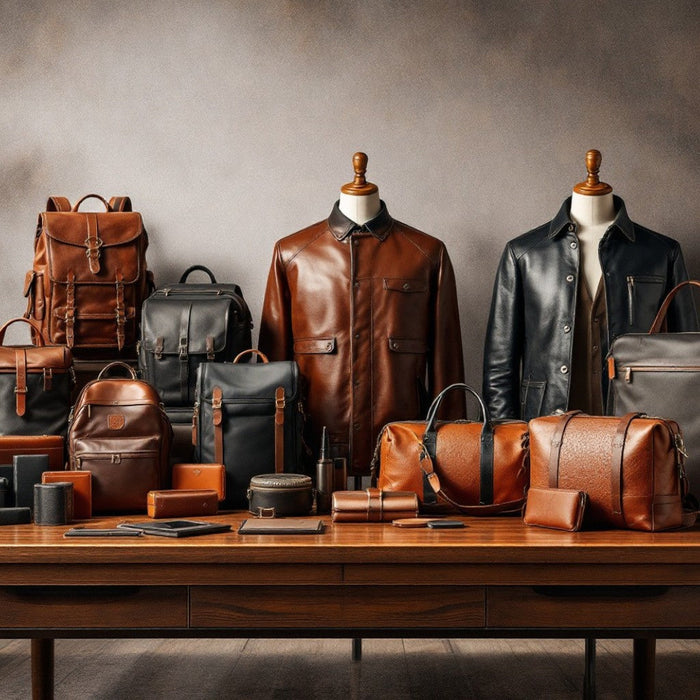
Few accessories improve with age quite like a premium leather bag. Unlike synthetic materials that often wear out over time, full-grain leather develops character, softens naturally, and gains a rich patina unique to its owner. However, if you've recently purchased a high-quality leather messenger bag, briefcase, duffle bag, or travel bag, you may have noticed that it feels noticeably stiff right out of the box.
If you're wondering whether that's normal, the answer is yes.
One of the defining characteristics of full-grain leather is its firmness when new. That stiffness isn't a flaw—it's actually a sign that the leather retains the hide's strongest natural fibers. As you use the bag, those fibers gradually become more flexible without sacrificing durability.
The key is knowing how to break in a leather bag without damaging the material. While countless online "hacks" promise to soften leather overnight, many can permanently weaken the leather, ruin its finish, or shorten its lifespan.
In this guide, we'll explain why new leather bags feel stiff, how long the break-in process usually takes, and the safest ways to make your bag more comfortable while preserving the craftsmanship that makes premium leather worth the investment.
Why New Leather Bags Feel Stiff
It's common for first-time buyers to assume a stiff leather bag means poor quality. In reality, the opposite is often true.
Premium full-grain leather is made from the outermost layer of the hide, which contains the densest and strongest fibers. Because these fibers remain largely untouched during processing, the leather retains its natural strength and structure. That durability is one reason full-grain leather is widely regarded as one of the highest-quality leathers available.
If you're new to leather goods, understanding leather quality can help explain why premium bags behave differently from lower-grade alternatives. Learn more in our leather comparison blogpost, where we compare the two materials, explain how they're made, and why full-grain leather is considered the superior choice for durability, longevity, and the rich patina that develops with age.
Lower-grade leathers, by comparison, are often sanded, heavily processed, or coated with synthetic finishes to create a softer feel immediately. While they may seem more flexible at first, they generally don't offer the same longevity or develop the same rich character over time.
When you first handle a full-grain leather bag, you might notice:
- Firm handles and shoulder straps
- A structured body that holds its shape
- Slight resistance when opening compartments
- Leather that feels thick and substantial
These characteristics indicate that the leather is built for years of daily use rather than short-term softness.
Think of it like a quality pair of leather boots. They require a short break-in period before they become exceptionally comfortable, but once they do, they mold to your habits in a way synthetic materials simply can't.
Should You Break In a Leather Bag?
Absolutely—but patience is essential.
Breaking in a leather bag isn't about forcing the leather to become soft overnight. Instead, it's about allowing the fibers to gradually relax through normal use while maintaining the bag's strength and appearance.
As the leather adapts to your routine, you'll notice several improvements.
Improved Comfort
Shoulder straps become more flexible, handles feel more natural in your hand, and carrying the bag becomes increasingly comfortable.
If you carry your work essentials every day, investing in our premium Leather Briefcase Collection makes the break-in process even more rewarding. Handcrafted from full-grain leather, these briefcases are designed to soften naturally with regular use while retaining the professional structure needed to protect your laptop, documents, and other daily essentials. Over time, the leather develops a rich, distinctive patina that enhances its character, making your briefcase a one-of-a-kind companion that reflects your personal journey and professional lifestyle.
Better Functionality
Flaps, zippers, buckles, and compartments begin moving more smoothly as the leather loosens slightly through regular use.
A Personalized Fit
Unlike synthetic materials, leather slowly conforms to how you carry it. Whether you wear it over one shoulder, carry it by the handles, or travel frequently, your bag develops a shape that reflects your everyday habits.
Richer Appearance
One of the most rewarding parts of owning full-grain leather is watching it develop a beautiful patina. Small changes in color, sheen, and texture create a unique finish that tells the story of your travels, workdays, and adventures.
Rather than trying to eliminate the break-in period, think of it as part of what makes owning premium leather so rewarding.
How Long Does It Take to Break In a Leather Bag?
There isn't a universal timeline because every leather bag is different.
Several factors influence how quickly leather becomes more flexible.
Leather Quality
Premium full-grain leather typically takes longer to break in than lower-grade leather because its fibers remain intact. While this requires a little more patience, it also contributes to greater durability and longevity.
Frequency of Use
A leather bag carried every weekday will naturally break in faster than one reserved for occasional trips or special occasions.
Leather Thickness
Heavier leather, often used in premium briefcases and duffle bags, generally requires more time than thinner leather used for lightweight accessories.
Climate
Humidity and temperature can affect how leather feels. Leather may seem slightly more supple in moderate humidity, while very dry conditions can make it feel firmer. Regardless of climate, avoid exposing leather to excessive moisture or extreme heat in an attempt to speed up the process.
Typical Break-In Timeline
While every bag is unique, here's a general expectation:
- First week: Leather feels firm and structured.
- After several weeks of regular use: Handles and straps begin to soften.
- One to three months: The bag becomes noticeably more comfortable while retaining its shape.
- Several months to a year: The leather develops increased flexibility and the early signs of a rich patina.
Remember, premium leather isn't designed to become floppy. A quality leather bag should maintain enough structure to protect your belongings while becoming more comfortable over time.
Safe Ways to Break In a Leather Bag
If you're eager to enjoy a softer feel, there are several safe methods that encourage natural flexibility without compromising the leather.
1. Use It Regularly
The simplest and safest method is also the most effective.
Carry your leather bag as part of your daily routine. Every time you lift it, open it, close it, or wear it over your shoulder, the leather experiences small movements that gradually relax the fibers.
Consistency matters far more than intensity. Daily use produces better results than trying to force the leather to soften all at once.
2. Fill the Bag Naturally
When you're not using your bag, lightly fill it with soft items to help maintain its shape while encouraging gentle flexibility.
Good options include:
- Folded towels
- Clean T-shirts
- Soft sweaters
- Packing paper
- Bubble wrap
Avoid using heavy books, bricks, or rigid objects that place unnecessary stress on the leather or seams.
The goal isn't to stretch the leather—it's simply to simulate normal use.
3. Open and Close the Bag
Flaps, buckles, straps, and zippers become smoother with repeated use.
Spend a few minutes occasionally opening and closing compartments, adjusting straps, and fastening buckles. These gentle movements help the leather around those areas become more flexible without creating sharp creases.
Always let the leather move naturally rather than forcing it into unnatural bends.
4. Carry a Realistic Load
One of the best ways to break in a leather bag is by using it for its intended purpose.
For example:
- A messenger bag can carry your laptop, notebook, charger, and water bottle.
- A briefcase may hold documents, folders, and daily office essentials.
- A duffle bag can be packed for weekend travel.
Using the bag as designed allows the leather to flex evenly while maintaining its intended structure.
Avoid overloading it beyond the manufacturer's recommended capacity, as excessive weight can stretch the leather permanently.
If you're looking for a versatile everyday carry that balances professional style with practical organization, explore our Leather Messenger Bag Collection. Handcrafted from premium full-grain leather, our messenger bags are designed to become more comfortable with daily use while developing a rich patina that reflects your journey. Whether you're commuting to the office, working remotely, or traveling, they're built to deliver timeless style and lasting durability.
5. Store It Correctly Between Uses
Proper storage is just as important as daily use.
When the bag isn't in use:
- Empty unnecessary items.
- Lightly stuff the interior to maintain its shape.
- Store it in a cool, dry place.
- Keep it away from direct sunlight.
- Use a breathable dust bag if available.
Avoid storing leather in airtight plastic bags, which can trap moisture and contribute to mildew over time.
Should You Use Leather Conditioner?
One of the most common questions new leather owners ask is whether they should condition a brand-new bag immediately.
In most cases, the answer is no.
Premium full-grain leather is typically conditioned during the tanning and finishing process. Adding more conditioner right away doesn't speed up the break-in period and can sometimes oversaturate the leather, leaving it feeling greasy or overly soft.
Instead, allow your bag to break in naturally through regular use.
Leather care experts emphasize that proper maintenance is key to preserving leather's natural strength and flexibility over time. According to an article, using appropriate leather care products and avoiding harsh treatments helps maintain the long-term performance of quality leather rather than forcing it to soften prematurely.
When Should You Condition a Leather Bag?
A leather conditioner becomes beneficial when you notice signs that the leather is becoming dry, such as:
- A dull appearance
- Slight stiffness after months of use
- Dry patches
- Reduced flexibility
For most everyday users, conditioning every 6 to 12 months is sufficient, although climate and frequency of use may require slight adjustments.
Always choose a conditioner formulated specifically for full-grain leather and follow the manufacturer's instructions. Before applying it to the entire bag, test it on a small, inconspicuous area to ensure it doesn't significantly alter the color or finish.
Remember, conditioning is about maintaining leather—not forcing it to soften overnight.
Mistakes That Can Ruin a New Leather Bag
While patience pays off, there are several shortcuts that can permanently damage leather.
1. Soaking the Leather in Water
Some online tutorials recommend getting leather wet to soften it.
This is one of the fastest ways to damage natural leather.
Excessive moisture can:
- Weaken leather fibers
- Cause staining
- Lead to warping
- Encourage mold or mildew if not dried properly
If your leather bag gets caught in the rain, gently blot away excess moisture with a clean cloth and allow it to air dry naturally at room temperature.
2. Using a Hair Dryer or Heat Gun
Heat removes the natural oils that keep leather healthy.
Although a hair dryer may seem like a quick way to make leather more flexible, it often causes the opposite effect by drying out the hide, increasing the risk of cracking over time.
Avoid placing your bag:
- Near fireplaces
- On radiators
- Inside a hot car for extended periods
- Under direct heat sources
3. Leaving It in Direct Sunlight
Sunlight can fade leather and dry it out over time.
Occasional outdoor use is perfectly fine, but prolonged exposure—such as leaving your bag on a sunny windowsill or in the back seat of a car—can accelerate aging in ways you don't want.
Store your leather bag in a cool, dry place whenever possible.
4. Overstuffing the Bag
It's tempting to think that stretching the leather will make it softer.
Unfortunately, overloading a leather bag can:
- Stretch the leather permanently
- Distort its shape
- Stress the stitching
- Damage handles and shoulder straps
Instead, carry only the amount of weight the bag was designed to handle.
5. Using Household Oils
The internet is full of advice suggesting coconut oil, olive oil, petroleum jelly, or cooking oils as leather conditioners.
These products aren't formulated for leather and can:
- Darken the leather unevenly
- Leave sticky residue
- Attract dust
- Cause long-term deterioration
Stick to products specifically designed for leather care.
6. Trying Viral "Leather Hacks"
From microwaving leather to freezing it or bending it aggressively, social media is full of shortcuts that promise instant results.
Most of these methods create unnecessary stress on the leather and can shorten the lifespan of a premium bag.
A well-made full-grain leather bag doesn't need gimmicks—it simply needs time and regular use.
Can You Speed Up the Break-In Process?
To some extent, yes—but only safely.
The most effective ways to encourage a natural break-in include:
- Using the bag consistently
- Carrying a realistic load
- Opening and closing compartments regularly
- Proper storage between uses
These habits allow the leather fibers to relax gradually without compromising their strength.
What you can't safely do is force leather to behave like synthetic materials. Full-grain leather is designed to retain structure while becoming more comfortable over time.
The goal isn't to make your bag floppy—it's to help it become more flexible while preserving the durability that makes it a worthwhile investment.
How to Tell Your Leather Bag Is Properly Broken In
After several weeks or months of regular use, you'll begin noticing subtle but satisfying changes.
The Handles Feel More Comfortable
The handles gradually mold to your grip, making them more pleasant to carry.
Shoulder Straps Flex Naturally
Instead of feeling rigid, straps begin to contour comfortably to your shoulder.
Compartments Open More Easily
Flaps, pockets, and closures become smoother through repeated use.
The Leather Feels Supple Without Losing Structure
A quality leather bag should still maintain its shape. It shouldn't collapse or feel overly soft.
A Patina Begins to Develop
One of the most rewarding signs is the appearance of a natural patina—a richer sheen and deeper color that develops as the leather interacts with light, oils from your hands, and everyday use.
Unlike scratches or wear on synthetic materials, this evolving finish adds personality and makes each leather bag uniquely yours.
Many premium leather bags achieve this beautiful aging process because they're crafted from Crazy Horse leather—a type of full-grain leather celebrated for its rugged character, pull-up effect, and the rich patina it develops over time. Learn more about its unique qualities in our guide.
Caring for Your Leather Bag After the Break-In Period
Breaking in your bag is only the beginning. With proper care, a premium leather bag can remain beautiful and functional for many years.
Clean It Regularly
Dust and dirt naturally build up with everyday use. Wipe your leather bag with a soft, dry microfiber cloth every few weeks to remove surface debris.
For deeper cleaning, use a leather cleaner specifically formulated for full-grain leather. If you're unsure about the proper cleaning process, check out our blog on how to clean a leather bag for step-by-step instructions to safely remove dirt while preserving your leather's natural beauty and finish.
Condition When Necessary
Apply a quality leather conditioner only when the leather begins showing signs of dryness.
Avoid over-conditioning, as too much product can clog the leather's pores and alter its natural feel.
Store It Properly
When you're not using your leather bag, proper storage plays a key role in preserving its shape, preventing unnecessary creases, and protecting the leather from moisture and excessive heat. A few simple habits can significantly extend the life of your bag:
- Lightly stuff the interior to help maintain its shape.
- Store it in a breathable dust bag or cotton pillowcase.
- Keep it in a cool, dry place away from direct sunlight and heat sources.
- Avoid humid areas such as basements or airtight plastic containers.
For a complete step-by-step guide to storing leather bags properly, explore our in-depth resource covering the best storage techniques. You'll learn how to protect your full-grain leather bag, preserve its shape, and maintain its natural beauty and durability for years to come.
Protect It From Excess Moisture
Leather can handle occasional exposure to the elements, but prolonged moisture isn't ideal.
If your bag becomes wet:
- Blot away excess water.
- Let it air dry naturally.
- Never use direct heat.
- Condition only if the leather appears dry afterward.
Why Full-Grain Leather Is Worth the Break-In
The brief break-in period is one of the reasons premium leather bags offer exceptional long-term value.
Unlike synthetic materials that often crack, peel, or wear out, full-grain leather develops character with every use. Small marks, subtle color variations, and a rich patina tell the story of your travels, workdays, and everyday adventures.
A thoughtfully crafted leather bag isn't something you replace every few years. With proper care, it can serve you for decades, becoming even more attractive over time.
Whether you're carrying a leather briefcase to the office, a messenger bag on your daily commute, or a duffle bag for weekend trips, investing in full-grain leather means choosing durability, craftsmanship, and timeless style.
Planning your next weekend getaway or business trip? Explore our premium Leather Duffle Bag Collection, where rugged durability meets timeless style. Expertly crafted from full-grain leather, these travel bags provide generous storage, exceptional organization, and lasting performance for every journey. Built to withstand years of travel, each bag develops a rich, distinctive patina over time, creating a unique character that reflects your adventures.
Frequently Asked Questions
Why is my leather bag so stiff?
High-quality full-grain leather naturally feels firm when new because it retains the strongest fibers from the hide. This stiffness gradually softens through regular use.
Can I soften a leather bag faster?
You can encourage the process by using the bag consistently, carrying a normal load, and storing it properly. Avoid shortcuts involving heat, water, or household oils.
Should I condition a brand-new leather bag?
Usually not. Most new full-grain leather bags already contain the oils they need from the tanning process. Wait until the leather begins showing signs of dryness.
How long does it take to break in a leather bag?
Most premium leather bags become noticeably more comfortable within one to three months of regular use, although the exact timeline depends on the leather, climate, and frequency of use.
Can I use coconut oil or olive oil?
It's not recommended. Household oils can stain leather, leave residue, and affect its long-term durability. Use only leather care products designed for full-grain leather.
Will my leather bag lose its shape?
No—if it's made from quality full-grain leather and used properly. It should become more comfortable while maintaining the structured silhouette it was designed to have.
Learning how to break in a leather bag is less about finding a shortcut and more about appreciating the qualities that make premium leather exceptional. A new full-grain leather bag may feel firm at first, but that initial stiffness reflects its strength, durability, and ability to age gracefully.
By carrying your bag regularly, avoiding damaging "quick fixes," and following simple leather care practices, you'll allow the leather to soften naturally while preserving its structure and beauty. Over time, your bag will develop a rich patina, become more comfortable to carry, and reflect your own daily journey.
The best leather bags aren't just built for today—they're designed to accompany you for years, growing more distinctive with every mile, meeting, and adventure.
Looking for a dependable travel companion? The Trail Boss Leather Duffle Bag – Brandy is handcrafted from premium full-grain leather and designed for weekend getaways, business trips, and everyday adventures. Its spacious interior, rugged construction, and timeless design make it a bag that only gets better with age as it develops a rich, one-of-a-kind patina.

Whether you're heading out for a weekend getaway, a business trip, or your next adventure, the right travel bag makes all the difference. Explore our Badlands Leather Duffle Bag with Shoe Compartment and discover handcrafted full-grain leather duffle bags designed for lasting durability, generous storage, and timeless style. Built to accompany you for years to come, each bag develops a rich patina that tells the story of every journey.

Looking for an everyday carry that's built to last? The Homestead Messenger Bag – Rangefire is handcrafted from premium full-grain leather and designed to carry your laptop, documents, and daily essentials with ease. As it breaks in through regular use, the leather becomes more supple while retaining the structured look professionals appreciate, developing a rich patina that reflects your daily journey.

For professionals who carry their work essentials every day, the Homestead Leather Briefcase – Rangefire is designed to become even better with regular use. Handcrafted from premium full-grain leather, it offers dedicated space for your laptop, documents, and office essentials while maintaining a structured, professional appearance. As the leather naturally breaks in, the handles become more comfortable, the bag gains flexibility where you need it, and it develops a rich patina that makes every briefcase uniquely yours.

Looking for a messenger bag that blends professional style with everyday functionality? Discover the Frontier Leather Messenger Bag, handcrafted from premium full-grain leather and thoughtfully designed to keep your laptop, documents, and daily essentials organized.
